
.webp)
OEM, ODM, OBM. Three letters that decide who owns your formula, who eats the risk, and how much control you actually keep. Get the model wrong and you either overpay for work you never needed or lose the very thing that makes your brand yours. Here’s how they break down, and which one fits where you are right now.
What Is OEM Cosmetics Manufacturing?
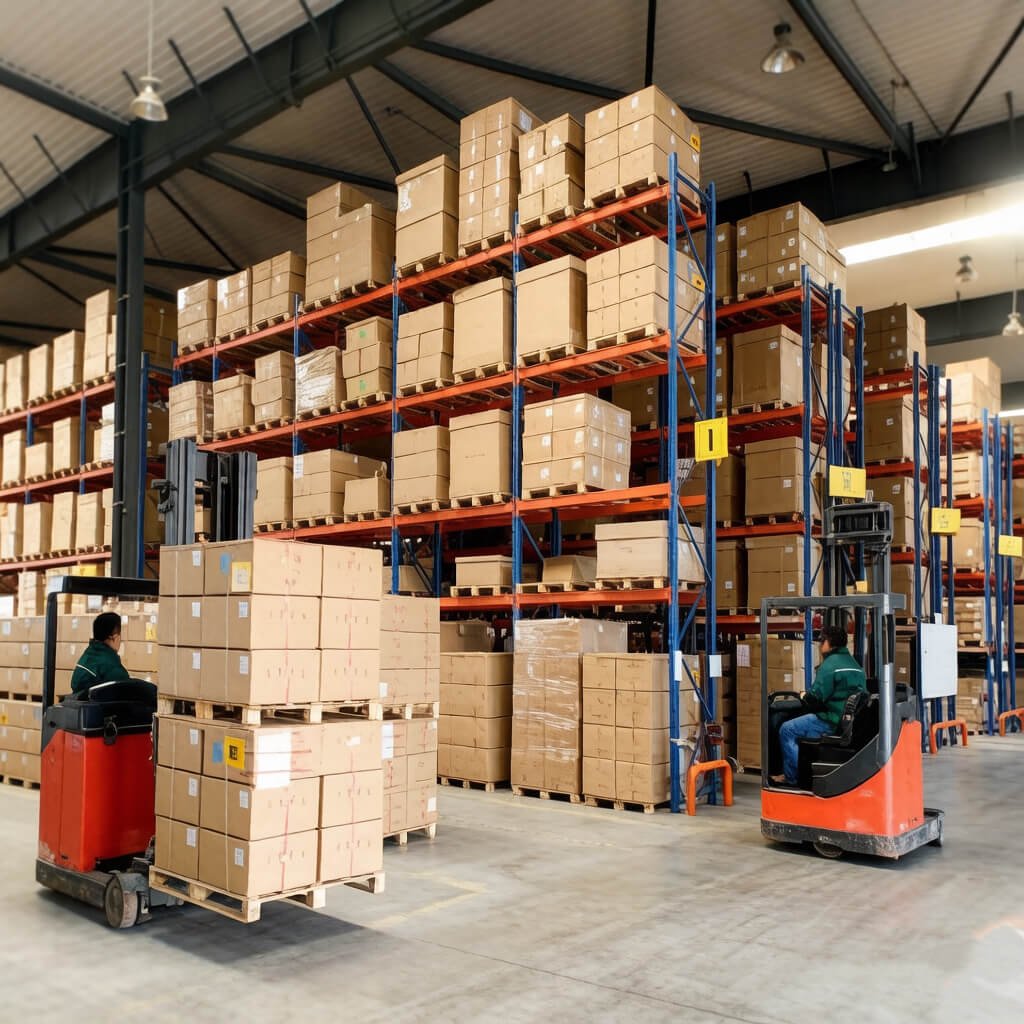
OEM means you bring the formula. You developed it yourself, or you co-developed it with the factory to your spec. Either way, you own the recipe and the IP. The manufacturer just runs production: the lines, the QC, the compliance backbone.
- Best for: brands with a proprietary formula, a chemist on staff, or a recipe they’re proud of and want made at scale.
- You own: the formula and the brand.
- Factory owns: production lines, QC systems, certifications.
.webp "oem-02-rd-formula-cleanroom(we)")
What Is ODM Cosmetics Manufacturing?
ODM flips it. The factory designs and owns the formulation. You pick from their library and put your brand on top. This is the model most “private label” brands actually run on.
- Best for: new brands, influencers, and retailers who want speed and low R&D cost.
- You own: the brand and packaging.
- Factory owns: the formula, often licensed to you exclusively once you hit a certain MOQ.
-1024x683.webp "oem-03-odm-product-display(we)")
What Is OBM?
OBM is the one nobody really wants if they’re building a brand. The factory owns everything, formula, brand, and sales, and you just resell or distribute. Fine if you’re a distributor. Useless if you want your own identity.
Side-by-Side Comparison
| Model | Who owns formula | Speed to market | R&D cost | Control | Best for |
| OEM | You | Slower | High | Highest | Brands with proprietary IP |
| ODM | Factory (licensed) | Fast | Low | Medium | New / fast-launch brands |
| OBM | Factory | Fastest | None | Lowest | Distributors / resellers |
Which Should You Choose?
Still not sure? Short version.
Launching your first line and want it live in months? Go ODM. Pick a proven formula, tweak the shade and packaging, ship. Got something genuinely unique, or a clinical claim you need to protect? OEM is worth the longer runway. Just want to move product without building a brand at all? OBM or straight distribution.
Most brands I see start on ODM to test the market, then move to OEM once they have sales data and a defensible angle. Whichever you pick, work with a manufacturer holding ISO 22716 and GMPC so compliance rides along with the product.
FAQ
Talk to a Manufacturing Specialist
Not sure which model fits your budget and timeline? Contact our team and we’ll map OEM vs ODM options to your launch plan. WhatsApp +86 159 7551 1702 · terrychan@tiarabeautymfg.com

-300x225.webp)