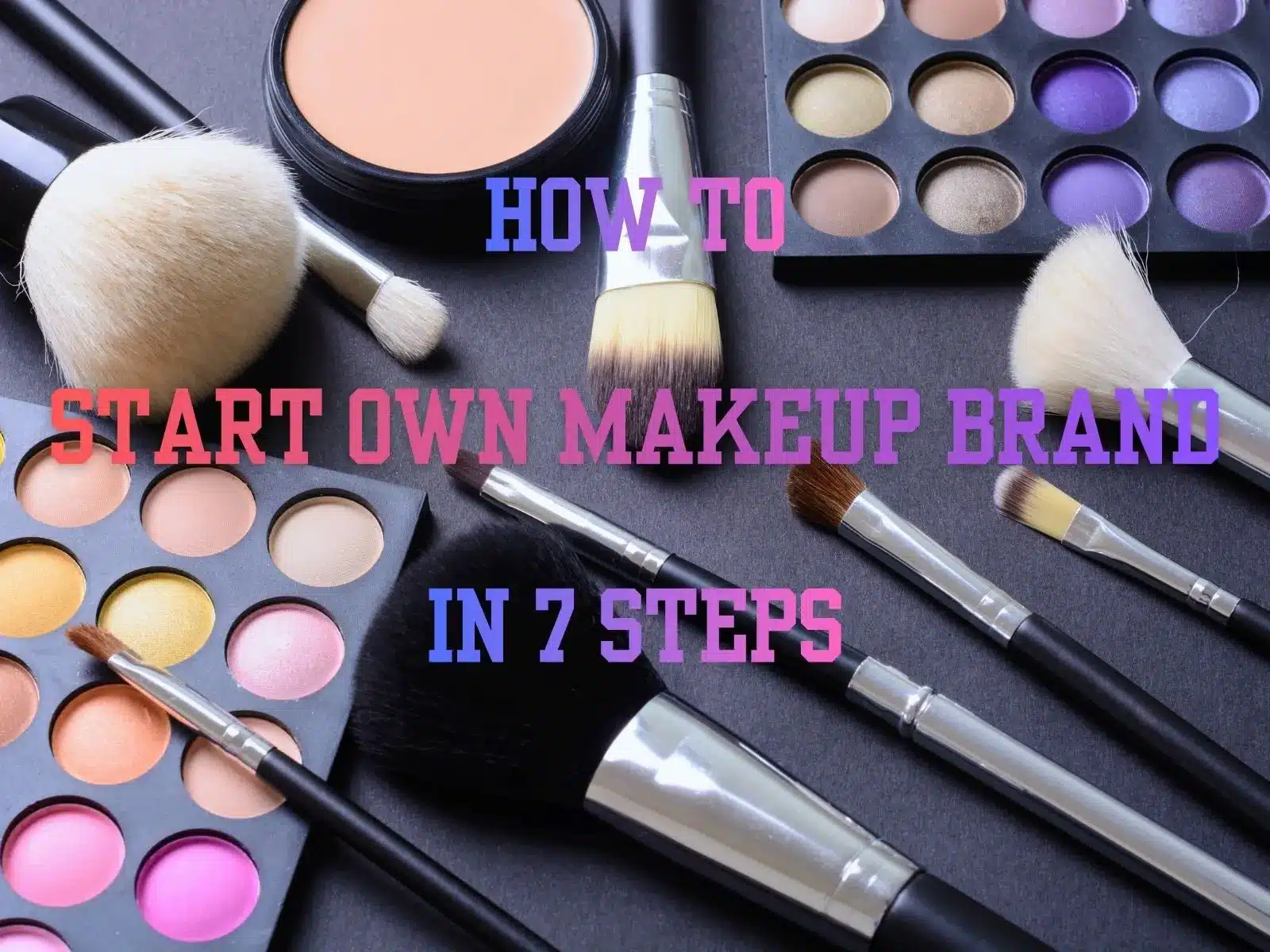
Starting a makeup brand sounds like the kind of thing that needs a chemistry degree, a factory, and a pile of cash you don’t have. It doesn’t. What it needs is a clear sequence — pick a lane, find the right partner, and ship something real. This is the roadmap we walk new founders through, the same one that’s launched hundreds of brands on our lines.
Step 1 — Pick your niche and product range
“Makeup brand” is too big to start with. Get specific: are you a clean-beauty skincare line, a bold lip brand, or a halal-certified range for the Gulf? Specific sells better and costs less to develop. Most brands start lean — 5 to 10 SKUs — then expand once they see what moves. Browse our face makeup, lip, eye, and skin care ranges to see what’s already proven on our lines.
Step 2 — Know who you’re selling to
Before you brief a factory, know your buyer. A 19-year-old TikTok audience wants different shades and price points than a spa distributor in Frankfurt. The brands that struggle are the ones that skipped this and tried to please everyone. Write down your one ideal customer — age, market, budget, what they complain about in products they already use.
Step 3 — Choose your manufacturing model
For almost every new brand, private label or ODM is the fast lane. You start from formulations a factory has already developed and stabilized, then put your name on top — tweaking shade, finish, or fragrance as you like. That’s how you reach the market in months, not years. Our OEM vs ODM guide breaks down which model fits where you are. (Full custom formulation — true OEM — is the right call later, once you have sales data and a defensible angle.)
Step 4 — Find and vet your manufacturer
This is the step people rush. Don’t. Ask for their certifications, real factory footage, and references from brands they’ve shipped for. Get sampling lead time in writing. A reliable manufacturer checklist walks through exactly what to check. Scale matters: a 20,000 m² plant with 25 automated lines and 350-plus people isn’t going to ghost you when you need to 10x an order.

Step 5 — Lock formulation, packaging, and MOQ
Once you’ve picked your range, you settle the formula variations, primary and secondary packaging, and your minimum order quantity. Most serious B2B manufacturers set MOQ around 500 units per SKU — low enough to test a market without a warehouse of dead stock. Custom molds and print setup are the line items people forget, so budget for them up front.

Step 6 — Handle certifications and compliance early
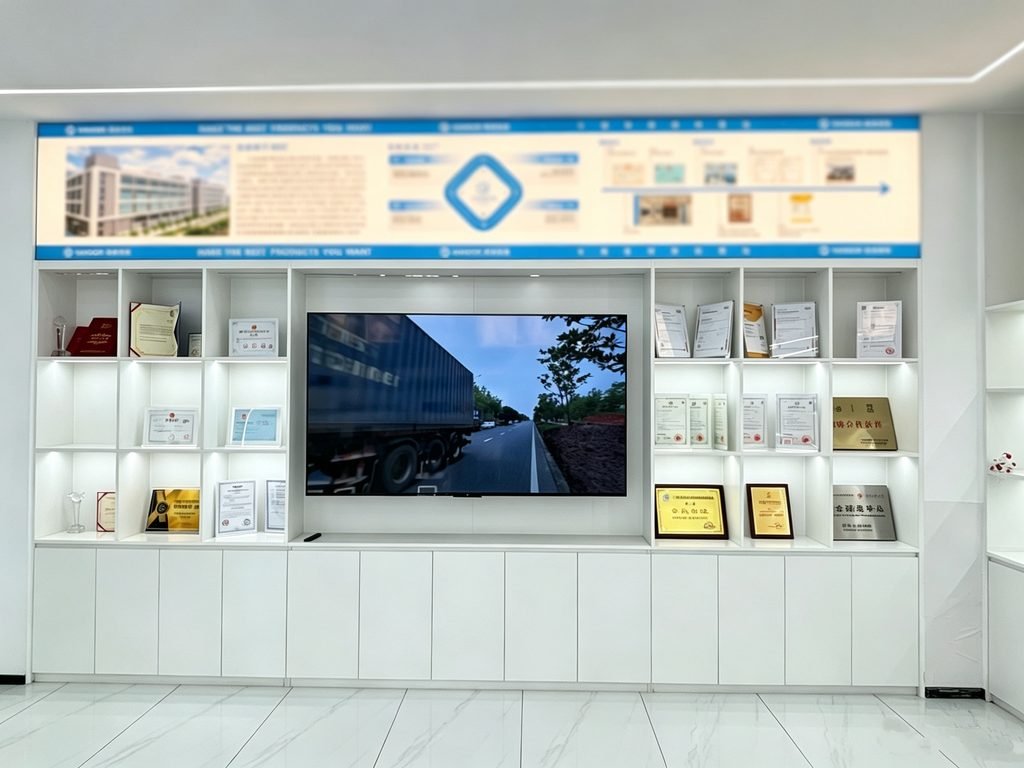
Compliance is where launches die. Buyers and retailers screen for it, and some markets won’t let you in without the right paperwork. Work with a factory that already holds ISO 22716, GMPC/GMP (SGS-audited), and market approvals like BPOM for Indonesia or SFDA for the Gulf, and your launch isn’t blocked at the border. Our certifications guide explains what each one means, and we go deeper on Indonesia and the GCC specifically.
Step 7 — Launch, fulfill, and learn
Sampling runs about 30 days; production lead time is roughly another 30 days after approval. That’s a two-to-three-month window from signed contract to first shipment for most brands. Get your samples in hand, validate with a small batch, then scale. In the US, keep labeling claims honest and substantiated — the FDA’s cosmetics guidance is the reference buyers expect you to know.
FAQ
Ready to Start Your Brand?
Explore our private label makeup and skincare ranges, or contact our team for MOQ, sampling, and bulk pricing. Talk to Terry: WhatsApp +86 159 7551 1702 · terrychan@tiarabeautymfg.com